

If you’re struggling with racing thoughts at night or feeling overwhelmed during the day, you might have heard about weighted blankets as a potential solution. These heavy blankets, filled with materials like glass beads or plastic pellets, have surged in popularity in recent years, especially with the growing awareness of mental health in 2025. According to the World Health Organization, anxiety disorders affect an estimated 359 million people globally, making them the most common mental health issue. With 4.4% of the world’s population experiencing an anxiety disorder, many are turning to non-pharmaceutical options like weighted blankets for relief.
In this comprehensive guide, we’ll dive into the science behind weighted blankets, explore whether they truly help with anxiety, review the latest 2025 research, and provide practical advice. While results vary by individual, emerging studies suggest they can be a valuable tool for some. We’ll also cover benefits, risks, and how to choose the right one. Note: This article is for informational purposes only; consult a healthcare professional for personalized advice.
:max_bytes(150000):strip_icc()/weighted-blanket-test-sleep-number-true-temp-dburreson-214-4174c763a249458a9b66e19db17d118a.jpg)
What Are Weighted Blankets?
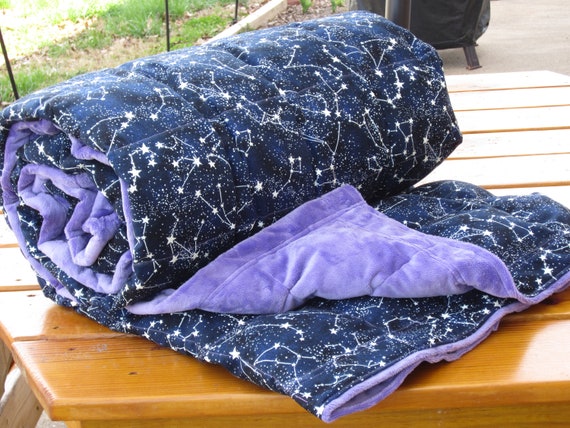
Weighted blankets are specialized bedding items designed to provide gentle, even pressure across the body. Typically weighing between 5 and 30 pounds (about 2.3 to 13.6 kg), they are filled with non-toxic materials such as glass beads, plastic pellets, or even steel beads for even weight distribution. The concept originated in the 1990s for therapeutic use, particularly for children with autism, and has since expanded to adults dealing with anxiety, insomnia, and other conditions.
Types of Weighted Blankets
- Standard: Filled with glass or plastic beads, quilted for even distribution. Ideal for general use.
- Organic/Cotton: Made with natural materials like cotton or bamboo for breathability, suitable for hot sleepers.
- Cooling: Incorporate moisture-wicking fabrics or gel-infused beads to prevent overheating.
- Smart (2025 Trends): Emerging models in 2025 integrate app-connected sensors to track sleep patterns and adjust pressure, blending tech with therapy.
Here’s a quick comparison table:
| Type | Recommended Weight | Materials | Approximate Price |
|---|---|---|---|
| Standard | 10-20 lbs | Glass/plastic beads | $50-100 |
| Organic | 5-15 lbs | Cotton, bamboo | $80-150 |
| Cooling | 10-25 lbs | Breathable fabrics | $100-200 |
| Smart (2025) | 10-25 lbs | With sleep-tracking tech | $150-300 |
These blankets should ideally weigh about 10% of your body weight for optimal comfort. In 2025, look for FDA-certified options for added assurance in therapeutic claims.
How Do Weighted Blankets Work for Anxiety?
The magic lies in Deep Pressure Stimulation (DPS), a therapeutic technique that mimics the feeling of being hugged or swaddled. This pressure activates the parasympathetic nervous system, which promotes relaxation by lowering heart rate, reducing cortisol (the stress hormone), and increasing serotonin and dopamine levels. For anxiety, this can help calm the “fight-or-flight” response, making it easier to unwind.
As Dr. Adam Perlman from Mayo Clinic notes, weighted blankets simulate a comforting embrace that can ease stress and improve sleep. Physiologically, studies show DPS can decrease heart rate by 10-15% and reduce nervous system activity, particularly via the vagus nerve.
Chronic vs. Acute Anxiety
- Acute Anxiety: Useful for short-term episodes, like pre-surgery jitters, where a 2024 study found a 15-pound blanket reduced anxiety before, during, and after procedures.
- Chronic Anxiety: Longer-term use may help with ongoing symptoms, as seen in psychiatric patients where blankets improved daily fatigue and mood.
Personal anecdotes often highlight a sense of security, like one user describing it as “a hug that lasts all night.”
The Scientific Evidence: Do They Really Work?
Research on weighted blankets is growing but still limited, with many studies being small-scale or preliminary. However, 2025 updates show promising trends. A systematic review and meta-analysis of nine studies involving 553 psychiatric patients found that weighted blankets significantly reduced anxiety symptoms (standardized mean difference of -0.47). Six of these studies specifically noted improvements in anxiety compared to placebo.
Key studies include:
- Karolinska Institute (2020): In 120 psychiatric patients, weighted blankets improved sleep maintenance and reduced daytime anxiety by up to 60%.
- Florida Study (2020): 94 participants with chronic pain and anxiety reported 32% better sleep and reduced pain perception.
- 2024 Surgery Study: 24 patients experienced less pre-operative anxiety, feeling more calm and relaxed.
- 2025 Update from Juniper Publishers: Repeated use significantly reduced anxiety without adverse effects.
- BMC Psychiatry (2024): Among adults with insomnia, weighted blankets improved sleep quality and related symptoms.
Study Summary Table
| Study | Sample Size | Key Results | Limitations |
|---|---|---|---|
| Karolinska 2020 | 120 | 60% anxiety reduction | Small sample |
| Florida 2020 | 94 | 32% sleep improvement | Limited duration |
| 2024 Surgery | 24 | Reduced pre-op anxiety | Not generalizable |
| Juniper 2025 | Varied | Anxiety reduction, no adverse | Review-based |
| BMC 2024 | Varied | Better sleep in insomnia | Heterogeneity |
While positive, experts like those from Harvard Health caution that evidence is scarce and more large-scale RCTs are needed. In 2025, with AI-integrated blankets tracking data, future studies may provide stronger insights.
Benefits for Anxiety and Related Conditions
Beyond anxiety, weighted blankets offer multifaceted benefits:
- Anxiety Reduction: Up to 30% symptom relief in some users, per meta-analyses.
- Improved Sleep: Better total sleep time and onset latency.
- ADHD/Autism: Enhanced relaxation and daily function.
- Chronic Pain/Depression: Reduced daytime fatigue and pain perception.
- Medical Procedures: Lower stress during treatments like chemotherapy.
Combine with therapies like mindfulness for amplified effects.
Risks and Warnings
Weighted blankets are generally safe, with no serious adverse events reported in studies. However:
- Not for Everyone: Avoid if you have respiratory issues, sleep apnea, or claustrophobia.
- Children: Not recommended under 2 years; consult a doctor for older kids.
- Overweight Risk: Stick to 10% body weight to prevent discomfort.
No evidence of harm, but start slow and monitor.
How to Choose a Weighted Blanket
Select based on your weight: 5-10% for adults (e.g., 15 lbs for 150 lbs person). Factors to consider:
- Material: Breathable for hot climates.
- Size: Twin for single use, queen for couples.
- Brands: Look for 2025 top picks like those with removable covers for washing.
- DIY Option: Fill a duvet with rice bags for a budget version.
Test in-store if possible.
Frequently Asked Questions (FAQs)
Q: What is a weighted blanket? A: A weighted blanket is a heavy blanket filled with materials like glass beads or plastic pellets, typically weighing 5-30 pounds, designed to provide deep pressure stimulation for relaxation.
Q: Do weighted blankets help with anxiety? A: Yes, for many people. Studies show they can reduce anxiety symptoms by up to 60% in some cases through deep pressure, but results vary, and more research is needed.
Q: How heavy should a weighted blanket be? A: Ideally, about 10% of your body weight. For example, a 150-pound person might use a 15-pound blanket for optimal comfort.
Q: Are there any risks associated with weighted blankets? A: They are generally safe, but avoid them if you have respiratory issues, claustrophobia, or for children under 2 years old. Always consult a doctor.
Q: Can I make a DIY weighted blanket? A: Yes, you can fill a duvet cover with rice bags or beads, but ensure even distribution and safety to mimic professional ones.
Q: How do weighted blankets improve sleep? A: By stimulating the parasympathetic nervous system, they lower heart rate, reduce cortisol, and promote serotonin release, leading to better sleep onset and quality.
Q: Are weighted blankets effective for other conditions? A: They may help with ADHD, autism, chronic pain, and depression, as per various studies, but they’re not a substitute for medical treatment.
Q: What’s new in weighted blankets for 2025? A: Smart versions with app-connected sensors for sleep tracking are emerging, offering personalized pressure adjustments based on data.
Conclusion
Yes, weighted blankets can really work for anxiety for many people, backed by growing evidence showing reductions in symptoms and improvements in sleep. However, they’re not a cure-all and work best as part of a broader strategy. With 2025 bringing smarter designs, they’re worth trying if anxiety disrupts your life. Share your experiences below, and always consult a doctor before starting. Sweet dreams!